


A wedding on a cliffside at sunset. A corporate retreat deep in the countryside. A film crew dining under floodlights beside a remote set. Events like these are becoming more common, partly because people are looking for experiences that feel distinctive and personal. The challenge is that memorable locations rarely come with the conveniences of a traditional venue, especially when it comes to food.
That is where remote site catering services come in. Unlike standard catering, which typically relies on a fixed kitchen and familiar infrastructure, remote catering is designed for places where a “kitchen” might mean a tent, a trailer, or a carefully organized table set up on uneven ground. It is an approach that combines culinary skill with logistical planning, food safety discipline, and a kind of quiet problem-solving that guests should never notice.
When it is done well, remote site catering does not feel like a compromise. It feels like a highlight. It can elevate an event by matching the setting with food and service that feel intentional, polished, and surprisingly seamless.
Understanding Remote Site Catering
Remote catering is often described as “bringing the restaurant to you,” but in practice it is more involved than that. It is a full-service operation designed to produce high-quality meals in environments that may lack power, water, refrigeration, or even reliable access roads.
Defining Remote Site Catering
Remote site catering refers to professional food service delivered in locations that are far from conventional kitchen facilities or that lack the infrastructure typically needed for cooking and serving at scale. That can include outdoor settings like beaches, forests, mountains, farms, and desert sites. It can also include urban but unconventional spaces such as warehouses, construction areas, rooftop venues, or temporary event installations.
What makes this style of catering distinct is not only the distance from a kitchen but the expectation that the meal will still meet the standards of a well-run event: attractive presentation, proper timing, safe food handling, and service that feels coordinated.
Remote catering teams often provide more than food. They may supply cooking equipment, generators, refrigeration, dishware, linens, staff, and cleanup. The service is designed to work as a complete system, even when the environment offers little support.
How On-Site Dining Has Evolved
Outdoor catering used to carry a certain image: casual food, simple setups, and limited options. The classic example is the picnic model, where the menu is built around what travels well and what can be served cold. That approach still exists, but expectations have changed.
A growing food culture, shaped by restaurant trends and social media, has increased demand for meals that are both high-quality and visually appealing. At the same time, event planners have become more ambitious about locations. The result is an evolution from basic off-site catering to experience-driven remote dining that can resemble a pop-up restaurant.
Many remote catering teams now work with chefs who build menus that align with the event’s purpose and setting. A coastal celebration might emphasize seafood and bright seasonal produce. A winter gathering might lean into slow-cooked dishes, warm spices, and rustic presentation. The experience is designed to feel curated, not improvised.
Why Location and Logistics Shape Everything
Remote site catering is defined by constraints. It is not just about choosing dishes that taste good. It is about choosing dishes that can be executed safely and consistently in a specific environment.
Every location brings questions. Is there clean water nearby, or must it be delivered? Is there power for refrigeration and cooking, or does the team need generators? How far is the site from suppliers? How difficult is access for staff and equipment? What happens if weather changes suddenly?
Professional remote caterers plan around these variables. Many begin with a site assessment to map out access points, setup areas, waste disposal needs, and potential risks. This planning phase is often the difference between a smooth event and a stressful one.
Crafting a Menu That Fits the Moment
The best remote catering menus feel connected to place and occasion. They also anticipate practical realities, such as service timing, holding temperatures, and the needs of a varied guest list.
Building Around Seasonal Ingredients
Seasonal cooking is a strong match for remote site catering because it supports freshness and local sourcing. When ingredients are in season, they are typically more flavorful, more affordable, and easier to source from nearby producers. That matters when transport time and storage options may be limited.
A summer menu might include ripe tomatoes, fresh herbs, stone fruits, and lighter proteins. A fall menu might highlight squash, mushrooms, hearty greens, and slow-roasted meats. Winter menus often lean toward braises, root vegetables, and warming sauces that hold well in colder temperatures. Spring events can feature tender greens, citrus, and fresh seafood.
Seasonal planning can also reinforce the event’s sense of place. A meal that reflects local harvest cycles often feels more intentional, especially when guests are already traveling for the setting.
Catering to Dietary Needs Without Making It Feel Separate
Today’s events routinely include guests with dietary restrictions or preferences, including gluten-free, dairy-free, vegetarian, vegan, and allergen-sensitive needs. Remote catering must address these requirements without turning them into an afterthought.
The most effective approach is to design the menu so that multiple options feel equally “main.” Instead of offering a standard meal with a separate substitute, skilled caterers build inclusive dishes that stand on their own. A plant-based entrée might be crafted with the same care as a meat option. Allergen-aware desserts can be designed to feel indulgent rather than restrictive.
This matters for guest experience. People notice when their needs are treated as a burden, and they notice even more when they are treated as normal.
Blending Local Flavor With Global Trends
Remote catering often shines when it balances local ingredients with broader culinary influences. This is not about novelty for its own sake. It is about creating food that feels both rooted and current.
A beach event might serve local fish with a citrus-forward marinade inspired by Southeast Asian flavors. A mountain gathering might pair game meats or roasted vegetables with Mediterranean herbs and grains. A countryside celebration might mix regional cheeses with modern small-plate formats, turning local products into a more interactive experience.
Fusion works best when it respects ingredients and context. The goal is not to confuse the menu but to create something memorable that still feels coherent.
Designing the Full Dining Experience
Food is central, but the experience of eating is shaped by what surrounds it. Remote site catering often requires more deliberate design because the setting may be beautiful but unstructured.
Presentation as Part of Storytelling
Presentation is not just decoration. It shapes how guests perceive quality and care. In remote settings, strong presentation can also reassure guests that the meal is being handled professionally, even if the kitchen is out of sight.
Plating, serving vessels, and garnish choices can reflect the event theme. Rustic boards and bowls may fit a farm setting. Minimalist plating may suit a modern corporate gathering. Even buffet setups can feel elevated when they are organized cleanly and designed with flow in mind.
In an era when guests often photograph meals, presentation also becomes part of the event’s public identity. But the deeper value is psychological. A beautiful plate signals intention. It sets expectations before anyone takes a bite.
Creating Atmosphere Through Details
Remote venues offer strong natural ambiance, but catering teams often shape the mood through lighting, layout, and service style.
String lights, lanterns, and candles can soften outdoor spaces and create warmth. Table settings can shift the feel from casual to formal without changing the location at all. Music and pacing matter too. A relaxed meal with family-style service creates a different atmosphere than a plated dinner with synchronized courses.
Good remote catering reads the room. It aligns choices with the event purpose, whether that is celebration, reflection, networking, or simple enjoyment.
Interactive Stations That Invite Guests In
One of the most effective trends in remote site catering is the use of interactive stations. These turn dining into an experience rather than a routine.
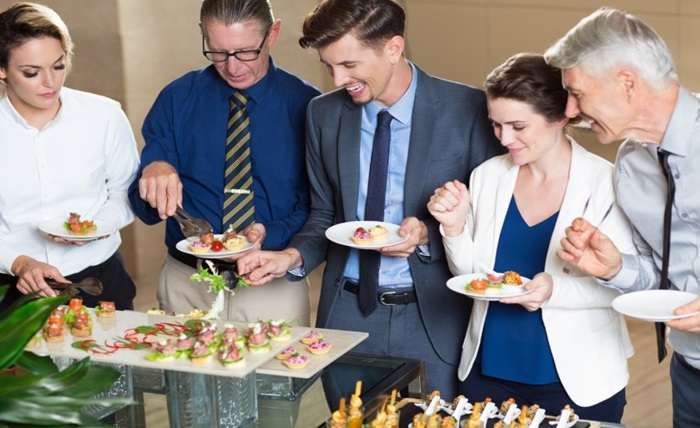
Live grilling, chef-carved proteins, build-your-own taco or noodle stations, and custom dessert bars all add movement and conversation. They also help manage timing in large groups by spreading service across stations rather than funneling everyone through a single line.
Interactive setups can also make remote catering feel more “present.” Guests see the cooking and craftsmanship, which builds trust and excitement. In many cases, it becomes entertainment in its own right.
The Logistics That Guests Never See
Behind every smooth remote catering experience is a long chain of planning, transport, and coordination. The goal is to make the complexity invisible while maintaining strict standards.
Food Safety and Temperature Control
Remote site catering must meet the same food safety expectations as any professional kitchen, often with fewer built-in supports. Temperature control is a major challenge. Hot food must stay hot. Cold food must stay cold. Perishable items must be protected from time and exposure.
This often requires insulated containers, portable refrigeration, and carefully planned cooking schedules. Some teams use refrigerated vehicles, while others rely on modular cold storage systems. The specifics depend on the site and the size of the event.
Food safety also involves sanitation. Handwashing setups, clean prep surfaces, proper waste handling, and disciplined staff protocols are non-negotiable. A beautiful event can be undermined instantly if basic safety standards slip.
Site Assessments and Setup Planning
Successful remote catering usually begins with a site visit. Caterers look for practical details that can shape everything from menu design to staffing.
They evaluate access routes for vehicles, parking availability, load-in points, and the layout of possible service areas. They consider where cooking equipment will go, where guests will flow, and where staff can work without disrupting the event.
They also plan for contingencies. What happens if wind picks up? What if the temperature drops? What if a storm rolls in? Professional teams often arrive with backup plans that allow the event to continue smoothly.
Coordinating Staff, Vendors, and Timing
Remote catering is rarely a solo effort. It often involves coordination with rental companies, local suppliers, event planners, and venue managers.
Staffing is also more complex. In remote settings, even small delays can cascade. A late delivery can affect cooking timelines. A missing piece of equipment can disrupt service. Clear roles, strong communication, and experienced leadership help prevent these problems.
When it works, the event feels effortless. Guests see attentive service and well-timed courses. What they do not see is the choreography behind it.
Making Remote Catering Work for Your Event
For hosts and planners, remote catering is most successful when expectations are clear early. That includes budget, guest count, site limitations, and the style of experience desired.
The best caterers ask detailed questions and offer honest feedback. Some menus sound great on paper but are risky in certain environments. Some service styles require infrastructure that is difficult to build at a remote site. A strong provider helps shape a plan that fits the setting rather than forcing the setting to fit the plan.
Remote site catering services have expanded what is possible. They allow people to host events in places that feel meaningful, scenic, or uniquely suited to a story. With the right team, food becomes more than a necessary detail. It becomes a centerpiece that matches the location’s magic.